Stories
-
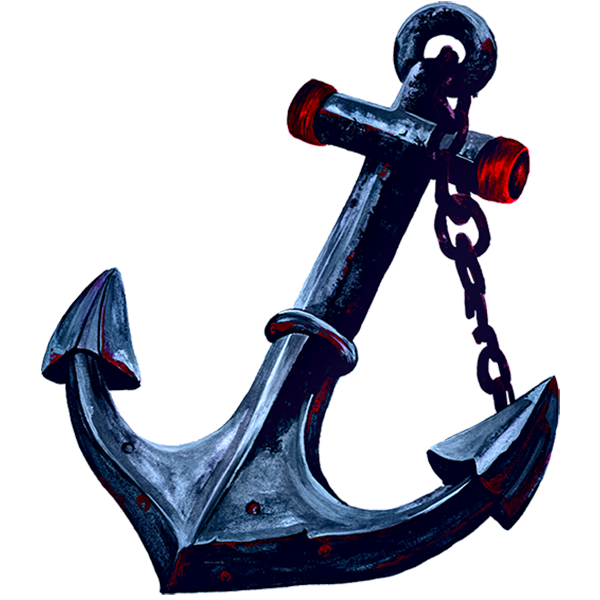
Anchor
Celebrating the North East’s proud nautical and ship-building heritage.
-
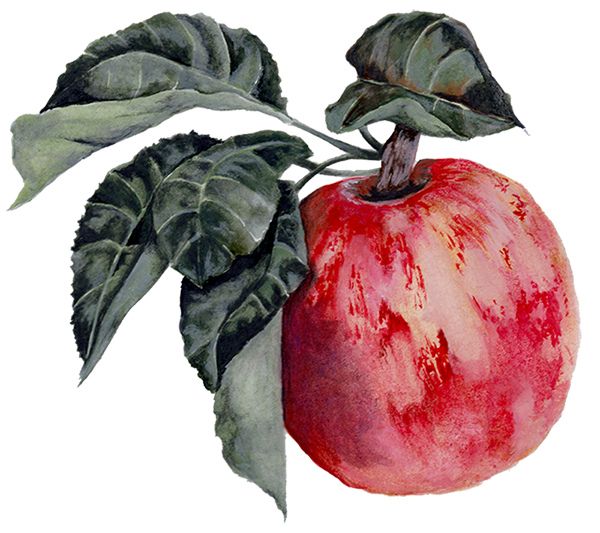
Apples
Where you now stand was once an orchard where Apples and botanicals once grew.
-
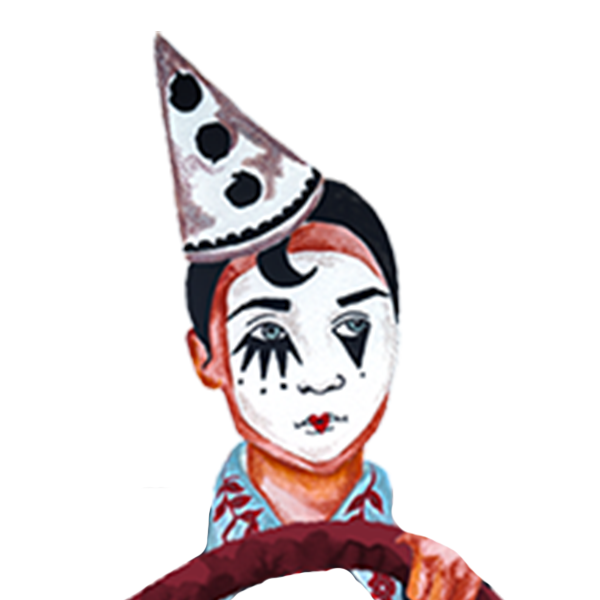
Chorus characters
Their black and white prison uniforms symbolise the incarceration of King Charles I in a jail nearby – and the colours of the beloved Toon Army.
-
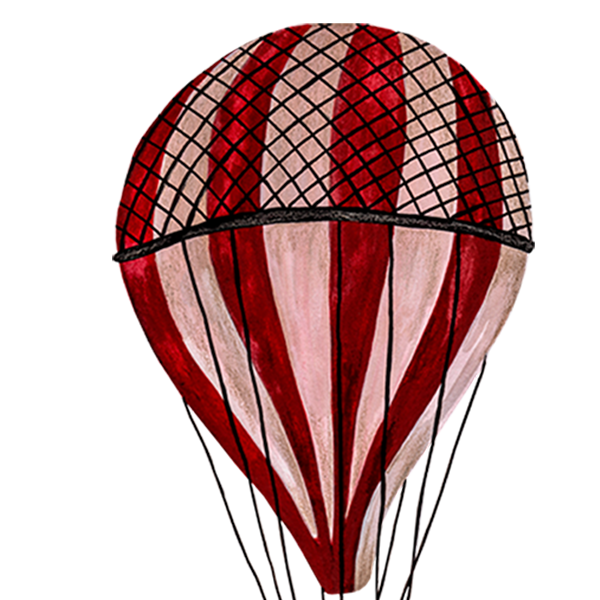
Hot air balloon
A run-away hot air balloon carried a panicked gymnast away during a gala event in 1859. The performer was found in Felling, having jumped from the basket in a daring escape that later cost him his life.
-

Mercutio’s mask
Mischievous Mercutio from Romeo and Juliet is The North East’s favourite Shakespearean character, and the resident statue inside Newcastle Theatre Royal.
-
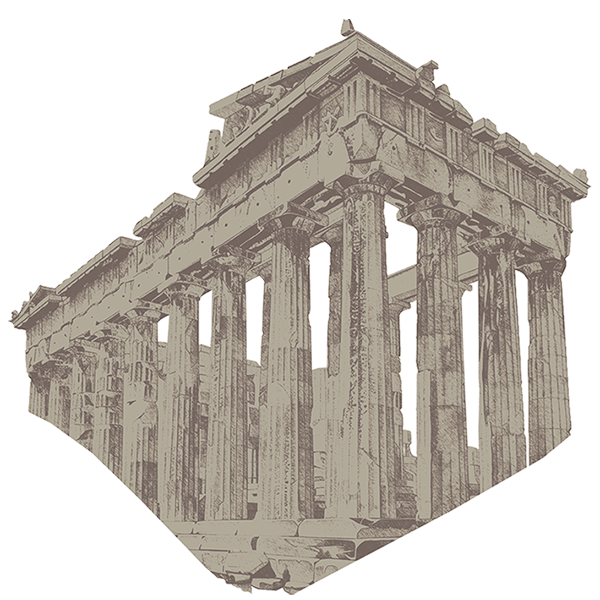
Monument and landscape
The landscape you see is influenced by a painting of the Temple of Jupiter at Aegina – the same monument that inspired the design of Newcastle Theatre Royal’s original drop scene.
-
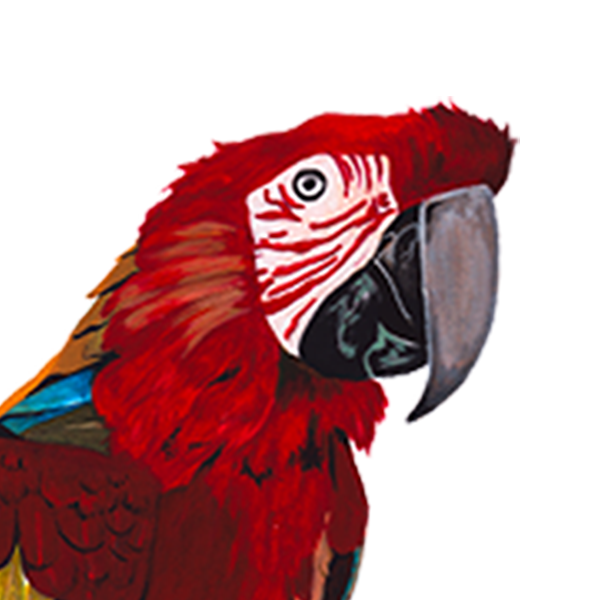
Parrot
Colourful and elusive, this feathered friend flew away during a performance and hid out inside the theatre until he was captured.
-
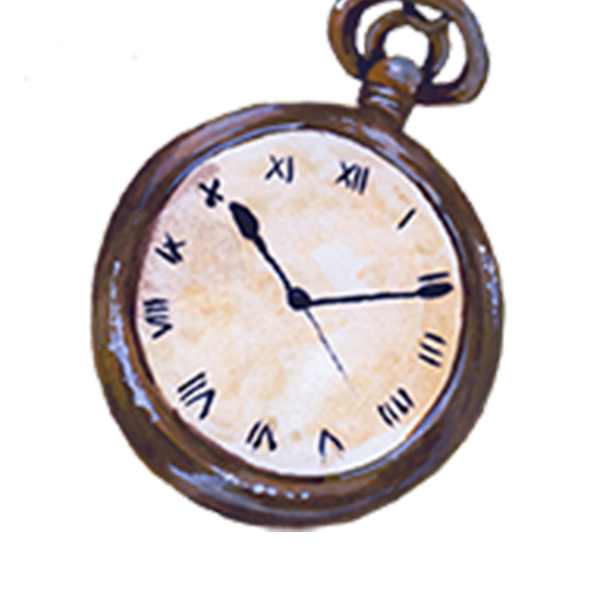
Pocket watch and ring
The skilled fingers of a pick-pocket stealing a clock and a ring symbolises the re-opening of the theatre after the historic fire in 1899. The opening play was The 40 Thieves.
-
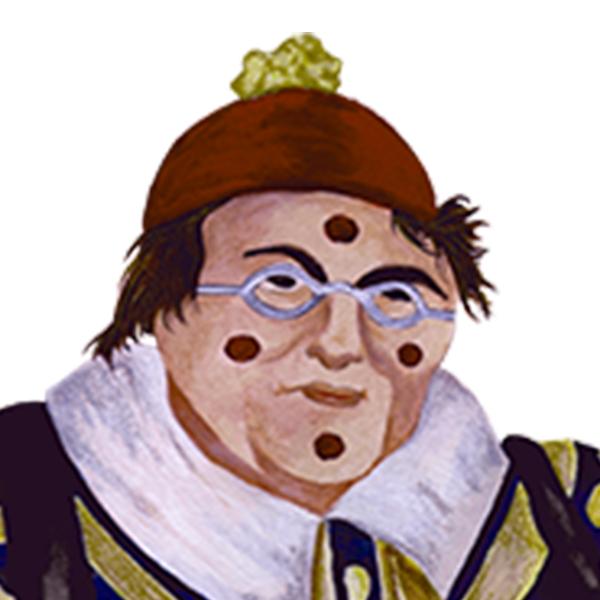
Popcorn seller
Meet Billy Purvis, the North East’s most famous strolling street entertainer who was once a Theatre Royal employee.
-
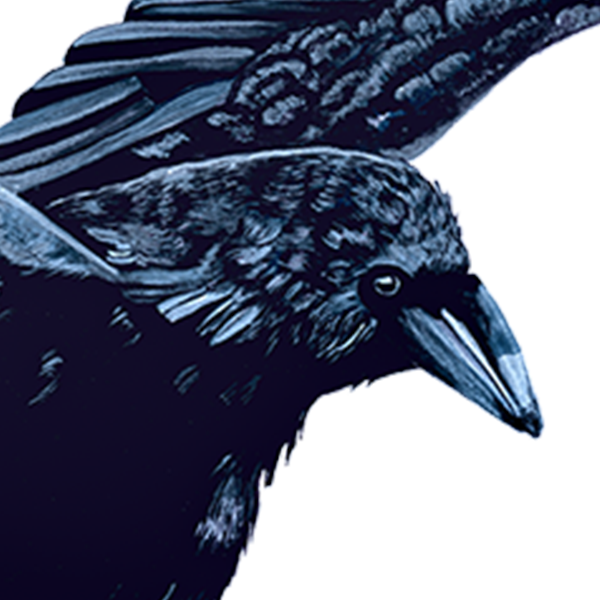
Raven
Forewarning of danger, the Shakespearean raven represents Macbeth, the show that was being performed when the infamous fire broke-out at the theatre in 1899.
-
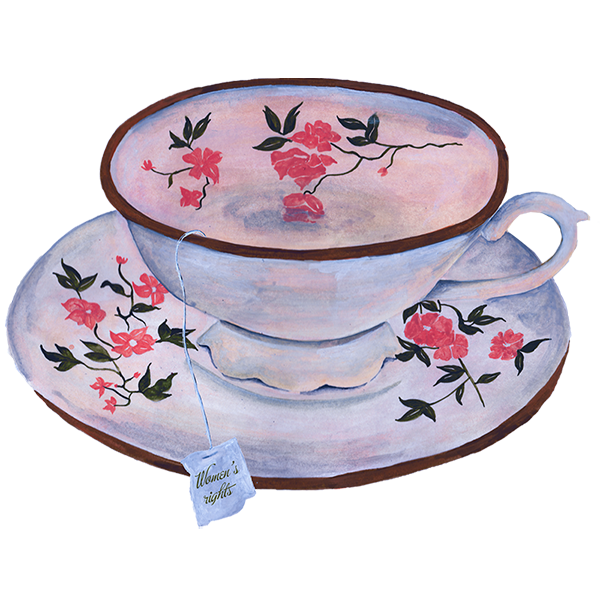
Teacup
A refined sip of Whisky for the lady! When women were finally permitted to drink alcohol in theatres, they preferred to disguise their tipple.
-

The daffodil
One of the many botanicals representing the orchard where the theatre stands.
-
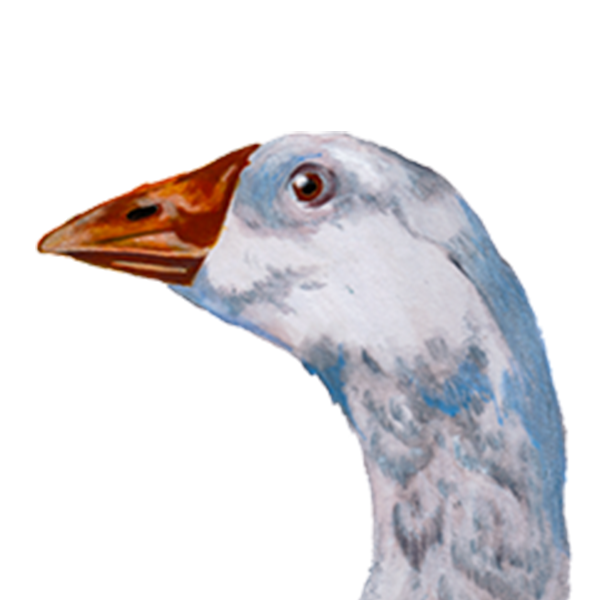
The goose
Drumming up audiences wasn’t always easy! Powered by four geese, clown Mr J Wood set sail in a washing tub to draw in a crowd ahead of his performance in The Gypsy’s Warning
-
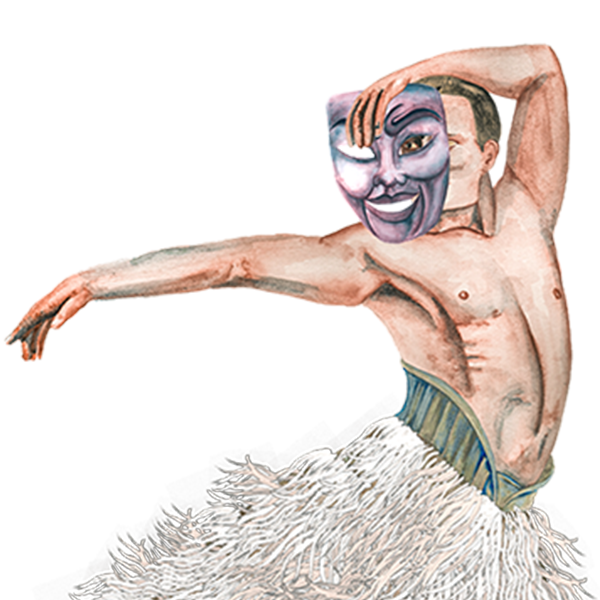
The swan dancers
Tchaikovsky’s enchanting Swan Lake is represented by the male swan dancers from New Adventures’ reimagining of the classic – and also in the ballet positions of the black and white striped chorus characters.